A Community Stuck in Limbo Since Infinite
For the better part of a decade, the Marvel vs. Capcom community has existed in a state of suspended animation. The release of Marvel vs. Capcom: Infinite in 2017 was supposed to be a triumphant return for the beloved crossover fighting franchise. Instead, it arrived with a reduced roster, a controversial art style, and a downshift from the traditional three-on-three tag format to two-on-two combat. The game failed to capture the cultural momentum of its predecessor, Marvel vs. Capcom 3, and the franchise has lain dormant ever since. Now, with Marvel Tōkon: Fighting Souls officially announced, the fighting game community is grappling with a complex emotional reality: the Marvel fighting game they have waited years for is finally here, but it does not have Capcom’s name attached to it.
The Downgrade That Haunted a Franchise
To understand why Marvel Tōkon resonates so strongly with displaced Marvel vs. Capcom fans, one must examine the specific mechanics that defined the franchise at its peak. The Marvel vs. Capcom series built its identity on chaotic, screen-filling tag-team battles where players could call in assists, chain hyper combos across multiple characters, and execute dramatic crossover finishes. The three-on-three format was not merely a structural choice; it was the mechanical foundation that allowed the franchise’s distinctive brand of controlled chaos to flourish.
When Infinite reduced the format to two-on-two, it stripped away a core pillar of the series’ identity. As Screen Rant notes, the shift generated significant confusion and disappointment among longtime players. The downsizing felt like a retreat, a concession that the development team could not balance or render the larger rosters and team sizes that fans expected. That disappointment, compounded by the absence of the X-Men characters that had been central to the series since its inception, left a void that no other fighting game has successfully filled.
Four-on-Four: The Antidote to Downsized Ambition
Marvel Tōkon: Fighting Souls does not merely replicate the three-on-three format that fans have been clamoring for. It pushes the envelope further by introducing four-on-four mechanics. According to Screen Rant’s analysis, this escalation in team size could unlock possibilities that were previously impractical within the Marvel vs. Capcom framework. Players could potentially field the entire Fantastic Four simultaneously, or assemble thematic squads of four Marvel heroes whose abilities interact in synergistic ways.
This design philosophy represents a direct repudiation of the conservative approach that defined Infinite. Where Capcom’s last entry in the crossover series contracted the scope of its battles, Tōkon expands it. The four-on-four format is not simply a numbers increase. It fundamentally alters the strategic calculus of team construction, assist usage, and resource management. For a community that felt shortchanged by the shift from three-on-three to two-on-two, the move to four-on-four reads as an explicit acknowledgment of what fans wanted all along: more characters, more chaos, more spectacle.
A Once-Per-Match Comeback Mechanic That Respects Stakes
Details emerging about Tōkon’s gameplay systems suggest a game designed to deliver the kind of dramatic, momentum-shifting moments that define the best Marvel vs. Capcom matches. As reported by community discussions catalogued on Facebook, the team supers in Marvel Tōkon function as a comeback mechanic that can only be used once per entire match, not once per round or per game. This restriction introduces a layer of strategic weight that most modern fighting games avoid. Players must decide whether to deploy their ultimate attack early to stabilize a losing situation or hold it for a critical moment later in the set.
This design choice stands in contrast to the comeback mechanics prevalent in other contemporary fighters, which often allow repeated use of power-up systems like Street Fighter 6’s Drive Impact or Tekken 8’s Heat System. By limiting the team super to a single use across an entire match, Tōkon creates permanent consequences for tactical decisions. The mechanic rewards patience, game knowledge, and psychological awareness of the opponent’s tendencies.
The Capcom Question: Absence and Acceptance
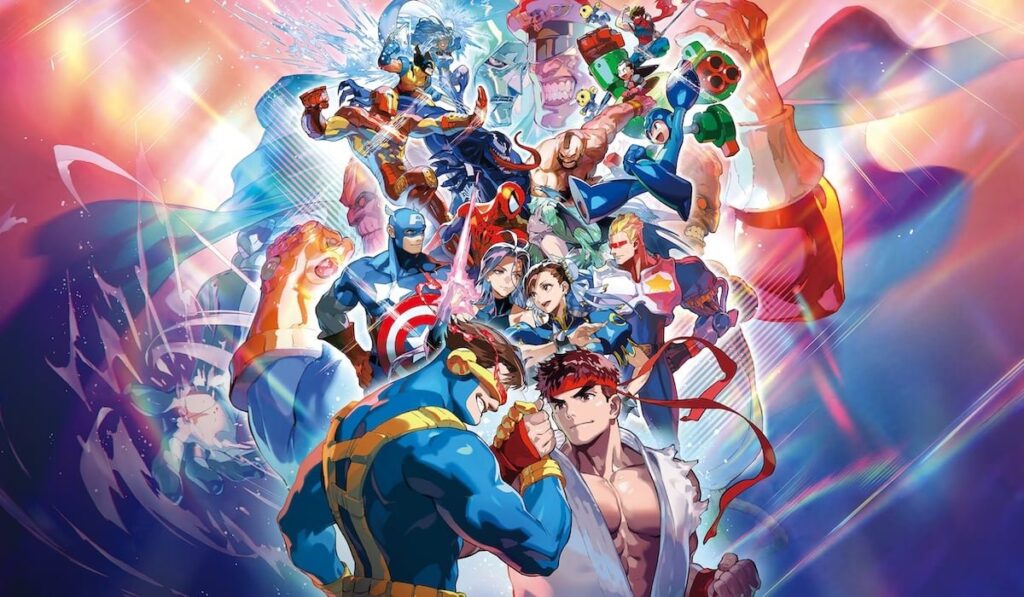
The most significant barrier to Marvel Tōkon serving as a full replacement for Marvel vs. Capcom is, of course, the absence of Capcom’s characters. Ryu, Mega Man, Arthur, and the dozens of other Capcom icons that populated the crossover series are not part of Tōkon’s roster. For fans who grew up watching Wolverine slash through Ryu’s hadouken or seeing Iron Man trade beams with Mega Man, a Marvel-only fighter inherently cannot replicate the specific magic of those crossover interactions.
Yet the community’s response suggests a growing acceptance of this reality. As Game Rant observes, the chances of a new Marvel vs. Capcom installment appear increasingly slim. Licensing complexities between Disney and Capcom, coupled with the commercial underperformance of Infinite, have made a revival financially uncertain for both parties. In that context, Marvel Tōkon represents the most viable path forward for players who want the high-energy tag-team experience that only Marvel characters can deliver in a fighting game context.
Reddit discussions compiled by GameFeed reflect this nuanced sentiment. Fans acknowledge that Marvel Tōkon is not the Marvel vs. Capcom sequel they imagined, but many argue that it could be the answer to their long wait. The game carries forward the spirit of frantic assist-based combat and larger-than-team team battles, even without the Capcom half of the equation.
Why Tōkon Works as an Answer
The fighting game landscape in 2025 is markedly different from the one Marvel vs. Capcom 3 inhabited in 2011. Arc System Works has demonstrated with games like Guilty Gear Strive and Dragon Ball FighterZ that anime-style tag fighters can achieve massive commercial success and sustained competitive scenes. The genre has evolved, and the audience for high-mobility, assist-driven combat has grown. Marvel Tōkon arrives at a moment when the infrastructure, streaming ecosystem, and tournament support exist to sustain a game of this scope.
The four-on-four format, the restricted team super mechanic, and the Marvel-exclusive roster position Tōkon as a distinct entity rather than a mere substitute. It offers the kinetic energy and team-building depth that Marvel vs. Capcom fans have been deprived of since Infinite, while establishing its own mechanical identity. For a community that has spent years waiting in the cold, Marvel Tōkon is not a consolation prize. It is a genuine attempt to deliver the experience that Capcom could not, built on the foundations that made the crossover series legendary in the first place.