The 28-Year Void in Shimotsuki Village
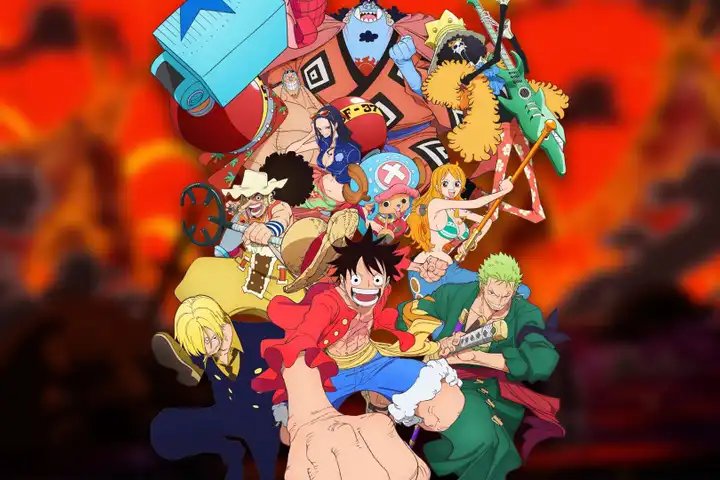
Roronoa Zoro has operated as a central pillar of Eiichiro Oda’s One Piece narrative since the manga’s debut in 1997. Despite his consistent presence as the Straw Hat crew’s combat anchor, the swordsman’s origin story has remained conspicuously sparse when placed alongside his crewmates. While characters like Sanji and Luffy received sprawling, multi-layered flashbacks detailing their familial trauma and childhood motivations, Zoro’s history has been largely confined to a single dojo. For decades, the fandom has noted that his major flashback only explains his time at Shimotsuki Village, completely omitting where he came from before arriving there, why he initially pursued the title of greatest swordsman, and who his biological family is. As highlighted in community discussions on Reddit, this narrative gap has long been a point of contention for readers seeking parity in character development.
Now, that void is being addressed. As reported by MSN, after years of waiting, the franchise is finally giving Zoro the spotlight he deserves by revealing his early days in East Blue as a Pirate Hunter. This expansion of his lore comes at a critical juncture for the series, as the manga enters its final saga and the broader franchise undergoes a period of intense multimedia expansion.
The Jump Books Imprint and Canonical Implications
The vehicle for this long-awaited backstory is One Piece Novel: Zoro. According to Polygon, the publication is being released under the Jump Books imprint. This specific detail is vital for understanding the weight of the project. The Jump Books imprint signifies a level of editorial oversight from Shueisha that elevates this publication beyond a simple licensed spinoff or a non-canon side story. The inclusion of new material within this imprint could make One Piece Novel: Zoro the most significant expansion of the character’s past, serving as the only authorized glimpse into the Straw Hat’s previously unexplored history.
The novel shifts the focus away from the familiar tragedy of his rival Kuina and instead examines the gritty reality of Zoro’s life as a roaming bounty hunter. This era of his life, which occurs between his departure from the dojo and his fateful encounter with Luffy at the Marine base, has been a blank canvas. Filling this space provides a structural answer to why Zoro developed his harsh, fiercely independent exterior before ever setting foot on a pirate ship. Understanding his survival methods in East Blue adds a layer of practical context to his initial reluctance to trust Luffy, grounding his eventual loyalty in a documented history of isolation and self-reliance.
A Franchise-Wide Reassessment of Early Lore
The release of the Zoro novel does not exist in a vacuum. It aligns with a broader, systematic reexamination of the early One Piece narrative across multiple platforms. Later this year, WIT Studio is set to begin releasing The One Piece, a complete remake of the anime starting from the East Blue Saga. As noted by fans on Reddit, the remake promises better animation and zero filler, adhering strictly to the manga’s pacing. This environment of narrative tightening makes the release of the Zoro novel highly strategic. By establishing Zoro’s Pirate Hunter years in print, the remake will have a richer, more defined character foundation to draw from, should it choose to integrate these new canonical details into its adaptation of the early arcs.
Simultaneously, the live-action adaptation is making its own adjustments to early character dynamics. As reported by Geek & Sundry, One Piece Season 2 made a major change to the anime’s story, specifically regarding how Zoro acquires his new swords. In this adaptation, Nami refuses to let Zoro be in her debt when he borrows money from her to purchase two new swords, demanding he pay her back. This alteration provides a more grounded, practical dynamic between the navigator and the swordsman early in their partnership. The anticipation for these live-action character moments is already building, with TikTok clips highlighting Mackenyu’s return as Zoro generating significant engagement.
Retroactive Narrative Fortification
The decision to publish a deep dive into Zoro’s East Blue origins now, 28 years after the series began, is a calculated move by Oda and Shueisha. The final saga of the manga requires maximum emotional resonance from its core cast. By retroactively fortifying Zoro’s early years with the Pirate Hunter novel, the franchise ensures that his ultimate confrontations and sacrifices in the manga’s climax carry the weight of a fully realized character arc, rather than one propped up by implied history. The novel transforms Zoro from a character defined primarily by his present loyalty into one whose past struggles explicitly shaped the warrior who stands beside the future Pirate King.