Katsuhiro Harada, the longtime director of the Tekken franchise, has cracked the code on one of the fighting game community’s most persistent memes. After months of fielding demands for a Waffle House themed stage in Tekken 8, Harada has moved from public confusion to active engagement, confirming he has reached out to the Georgia based restaurant chain to explore a potential collaboration. The journey from bewilderment to business inquiry highlights the unique intersection of internet culture and modern game development.
The March 30 Inquiry Into American Diner Lore
The saga began on March 30, 2024, when Harada took to social media to ask his followers a direct question. « Why do some communities send me requests for ‘Waffle House’? » he posted on X. The Japanese game developer lacked the cultural context for why a 24 hour American diner was suddenly the most requested arena in a martial arts tournament. He asked fans to explain the basis for the request, including the original story, indicating a genuine gap in cultural understanding.
The American fighting game community quickly supplied the lore. Waffle House, a chain founded in 1955 and headquartered in Norcross, Georgia, operates over 2,000 locations predominantly in the Southeastern United States. It holds a unique reputation fueled by social media. The establishment is infamous for its late night brawls, often captured on smartphones and disseminated across platforms like X and TikTok. Patrons and employees alike are frequently documented engaging in chaotic, chair throwing combat. For Tekken players, the juxtaposition of a mundane family restaurant transforming into a brutal fight club mirrors the exact logic of the Tekken series, where ordinary settings routinely host world class martial arts combat.
Translating Late Night Brawls Into Fighting Game Mechanics
The community’s explanation resonated with Harada’s design sensibilities. Tekken stages have historically featured interactive environments, from breaking through floors to crashing into new areas. Tekken 8 introduced the Heat System, a mechanic that encourages aggressive play and environmental interaction. A diner setting, complete with tables, coffee pots, and throwable chairs, fits perfectly into the franchise’s existing mechanical framework. Stage transitions, where fighters crash through walls or floors into new areas, could easily see players breaking through a diner window into a neon lit parking lot.
As reported by IGN, Harada eventually acknowledged these calls, expressing genuine intrigue at the establishment’s notorious late night altercations. By June 3, 2024, the discourse had evolved from a question into a tangible consideration. Harada’s curiosity drove him to take formal action. According to FOX 5 Atlanta, the Tekken director confirmed he has reached out to the Georgia based chain to discuss the possibility of adding a Waffle House stage to Tekken 8. This represents a significant escalation from a developer being confused by a meme to actively pursuing a brand partnership.
The Corporate Licensing Chokepoint For A Georgia Chain
Despite Harada’s willingness to build the stage, the realization of this fan request faces a significant corporate hurdle. Brand licensing in video games requires explicit corporate approval, and aligning a family oriented dining brand with a violent fighting game presents a unique public relations dilemma. Discussions on Reddit highlighted this exact bottleneck, noting that the ultimate decision rests on whether Waffle House is willing to license its brand for a video game. The legal and marketing departments must weigh the exposure against the association with virtual violence.
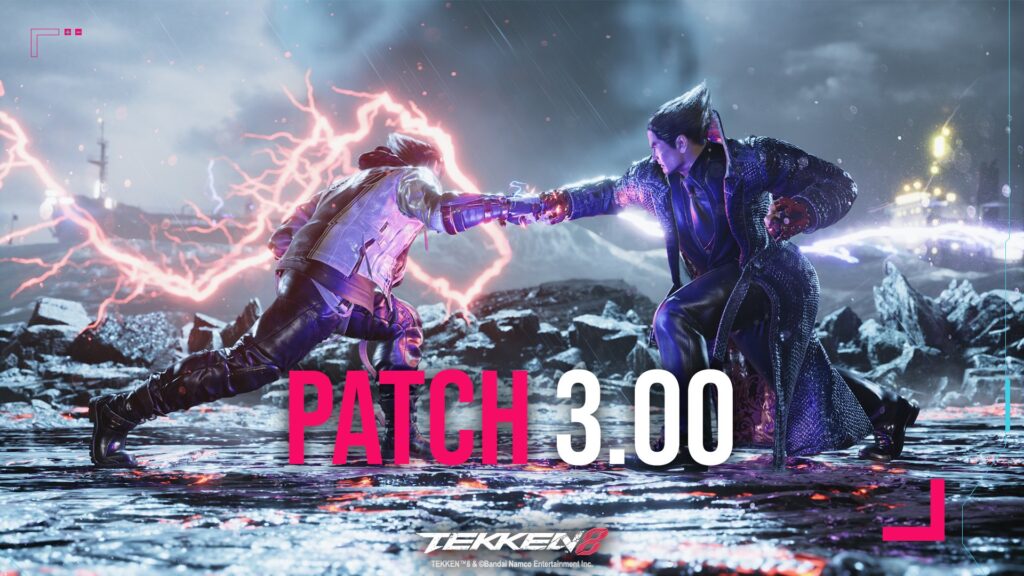
Rolling Stone reported that Harada will not add the stage yet, pending these corporate conversations. Waffle House maintains a strictly controlled brand image. The company even trademarked the phrase « Waffle House Index, » a term coined by FEMA administrator Craig Fugate to describe the scale of disaster severity based on whether the restaurants remain open. Associating that resilient, community focused brand with the hyper-violent combat of Tekken 8, where characters like Kazuya Mishima throw lightning, requires a level of corporate risk tolerance that remains untested.
Harada’s Three Decade History Of Fan Engagement
This push for a Waffle House arena is not an isolated incident, but rather the latest demonstration of Harada’s unique management style. He has been with the Tekken series since its inception in 1994, starting as a voice actor before ascending to executive producer and director. His tenure is marked by a willingness to interact directly with the player base, often using social media as a sounding board for character and mechanic adjustments.
The Waffle House campaign shows how modern game development operates at the intersection of internet culture and corporate licensing. What begins as a localized meme can escalate into a genuine business inquiry from a major international publisher like Bandai Namco. Tekken 8 launched on January 26, 2024, and surpassed 2 million copies sold within its first month. That massive player base provides the critical mass necessary to elevate a joke into a viable business proposition. Harada has done his part, deciphering the cultural context that makes a 24 hour diner a fitting battleground for Tekken 8. The fighting game community has provided the data and the demand. Now, the decision shifts from the development studio to the boardroom of a Southern restaurant franchise.